
Easy Deconstructed Sushi Bowl Recipe: Quick & Healthy Meal
Have you ever craved the fresh, vibrant flavors of sushi but didn't have the time, patience, or skill to master the art of rolling? Or perhaps you simply prefer the freedom to mix and match your favorite ingredients in every bite? If so, then the Deconstructed Sushi Bowl is about to become your new culinary obsession! This ingenious dish takes everything you love about sushi – the perfectly seasoned rice, the glistening fresh fish, the crisp vegetables, and the delightful sauces – and lays it out beautifully in a bowl, ready for you to customize and devour.
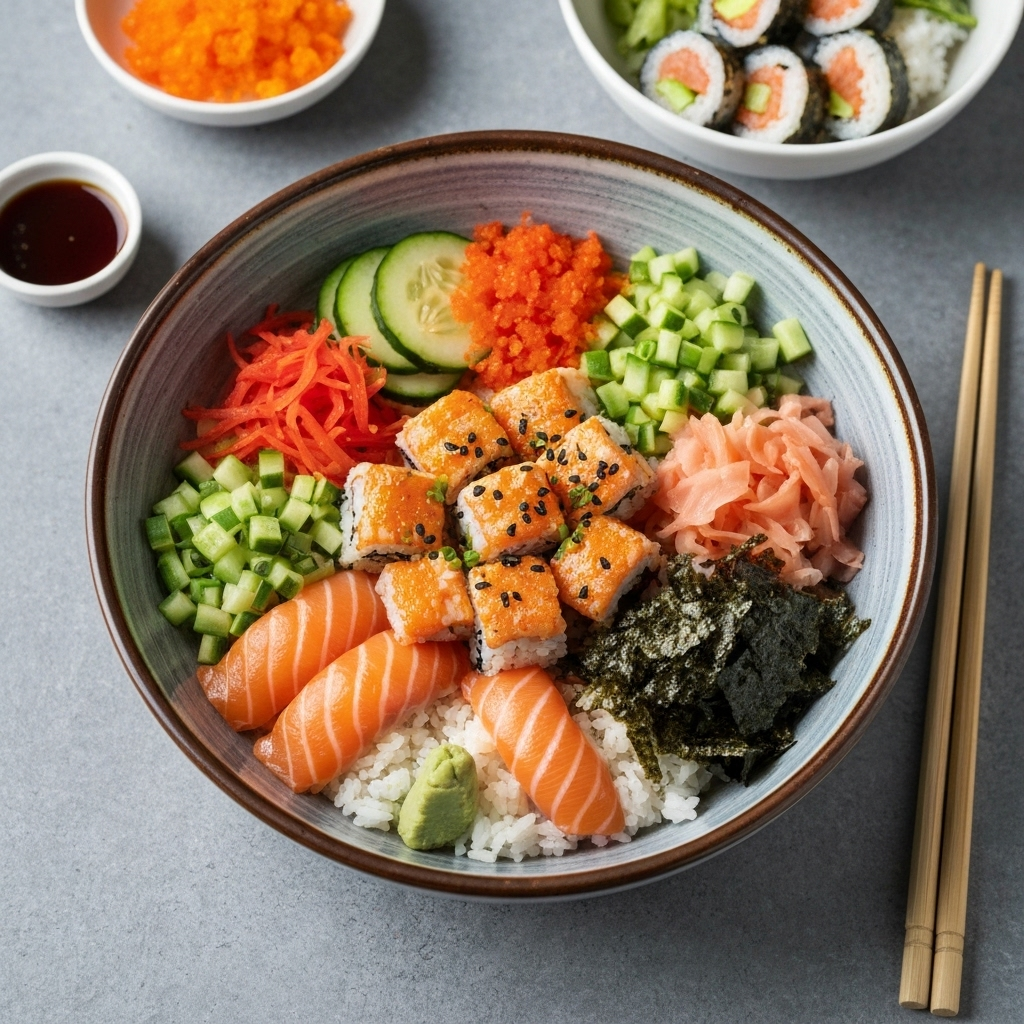
Gone are the days of wrestling with nori sheets and perfecting your rolling technique. The Deconstructed Sushi Bowl liberates you from the complexities of traditional sushi making, offering an incredibly easy, quick, and equally satisfying alternative. It's an explosion of textures and tastes in every spoonful, designed for maximum enjoyment with minimum fuss. This recipe is not just about convenience; it's about celebrating fresh, wholesome ingredients and empowering you to build your perfect meal, exactly the way you like it.
Whether you're a seasoned sushi aficionado or new to the world of Japanese-inspired cuisine, our comprehensive guide to creating the ultimate Deconstructed Sushi Bowl will walk you through every step. From preparing the essential sushi rice to selecting the freshest proteins and pairing them with an array of colorful vegetables and tantalizing sauces, you'll discover how to create a visually stunning and incredibly delicious meal that caters to every palate. Get ready to embark on a flavor journey that promises health, convenience, and unparalleled taste with your very own Deconstructed Sushi Bowl!
Ingredients List
Crafting the perfect Deconstructed Sushi Bowl involves a harmonious blend of textures and flavors. Here's a precise list of ingredients to get you started, organized by component.
For the Sushi Rice Base:
- 2 cups uncooked short-grain sushi rice
- Tip: Short-grain rice is essential for its sticky texture.
- 2.5 cups cold water (for cooking the rice)
- 1/4 cup rice vinegar (unseasoned is fine, but seasoned adds more flavor)
- 2 tablespoons granulated sugar
- 1 teaspoon salt
For the Protein (Choose 1 or 2):
- 1 lb sushi-grade raw fish (e.g., tuna, salmon, yellowtail), finely diced into 1/2-inch cubes
- Important: Ensure it is explicitly labeled "sushi-grade" or "sashimi-grade" from a reputable fishmonger.
- 1 lb cooked shrimp, peeled, deveined, and roughly chopped
- 1 lb cooked, shredded chicken breast (for a non-seafood option)
- 1 block (14-16 oz) extra-firm tofu, pressed and cubed or crumbled (for a vegan option)
For the Fresh Vegetables & Toppings (Choose a variety):
- 1 large English cucumber, deseeded and finely diced or julienned
- 2 ripe avocados, diced
- 1 cup shelled edamame, cooked (fresh or frozen, thawed)
- 1-2 large carrots, julienned or shredded
- 4-5 radishes, thinly sliced
- 1/2 cup pickled ginger (gari), thinly sliced
- 4 sheets nori seaweed, toasted and cut into thin strips or crumbled
- 1/4 cup green onions (scallions), thinly sliced
- 1/4 cup fresh cilantro, chopped
- 1/4 cup toasted sesame seeds (black and/or white)
- Optional: 1 cup shredded purple cabbage, sliced bell peppers, mango chunks, jalapeño slices (for heat).
For the Spicy Mayo Sauce:
- 1/2 cup mayonnaise (Japanese Kewpie mayo is highly recommended for best flavor)
- 2-3 tablespoons Sriracha hot sauce (adjust to desired spice level)
- 1 teaspoon lime juice (freshly squeezed)
- 1/2 teaspoon sesame oil (toasted)
For the Classic Soy-Ginger Dressing:
- 1/4 cup low-sodium soy sauce
- 1 tablespoon rice vinegar
- 1 teaspoon grated fresh ginger
- 1 teaspoon honey or maple syrup (optional, for sweetness)
Other Essential Condiments:
- Wasabi paste (optional, for those who love a kick)
- Extra soy sauce
- Chili garlic sauce (for extra heat)
Step-by-Step Instructions: Building Your Deconstructed Sushi Bowl
Creating your Deconstructed Sushi Bowl is all about preparing each component to perfection and then assembling it artfully. Follow these steps for a delicious and visually appealing meal.
Step 1: Prepare the Sushi Rice
- Rinse the Rice: Place the 2 cups of short-grain sushi rice in a fine-mesh sieve. Rinse thoroughly under cold running water, stirring with your hand, until the water runs clear. This removes excess starch, preventing the rice from becoming overly gummy.
- Cook the Rice: Transfer the rinsed rice to a medium saucepan with a tight-fitting lid. Add 2.5 cups of cold water. Bring to a boil over medium-high heat. Once boiling, reduce heat to low, cover tightly, and simmer for 15-18 minutes, or until all the water is absorbed. Do not lift the lid during cooking.
- Rest the Rice: Once cooked, remove the saucepan from the heat and let it sit, still covered, for 10 minutes. This allows the rice to steam and become perfectly tender.
- Season the Rice: While the rice rests, prepare the sushi vinegar mixture. In a small bowl, combine 1/4 cup rice vinegar, 2 tablespoons granulated sugar, and 1 teaspoon salt. Microwave for 30 seconds or warm gently on the stove until the sugar and salt are dissolved.
- Mix and Cool: Transfer the cooked rice to a large, shallow, non-metallic bowl or baking dish. Pour the warm vinegar mixture evenly over the rice. Using a wooden spoon or rice paddle, gently fold the vinegar into the rice, cutting through the grains rather than stirring, to coat each grain without mashing. Fan the rice (using a small fan or piece of cardboard) as you mix to cool it down quickly and give it a glossy appearance. Let the rice cool to room temperature.
Step 2: Prepare the Protein (Choose your preferred option)
For Sushi-Grade Raw Fish (Tuna, Salmon, Yellowtail):
- Dice the Fish: Ensure your fish is very cold. Using a sharp knife, dice the sushi-grade fish into small, uniform 1/2-inch cubes.
- Season (Optional): In a small bowl, gently toss the diced fish with a touch of sesame oil and a sprinkle of sesame seeds, or a light coating of soy sauce, if desired, to add a preliminary layer of flavor. Keep refrigerated until ready to assemble.
For Cooked Shrimp:
- Cook Shrimp: If using raw shrimp, cook them quickly by sautéing, steaming, or boiling until pink and opaque (about 2-3 minutes).
- Chop: Once cooled, chop the cooked shrimp into bite-sized pieces.
For Cooked Chicken Breast:
- Cook Chicken: Season and cook chicken breasts (baking, grilling, or poaching) until an internal temperature of 165°F (74°C) is reached.
- Shred/Dice: Shred the cooked chicken using two forks or dice it into small cubes.
- Season (Optional): Toss with a light soy-ginger marinade or a sprinkle of garlic powder for extra flavor.
For Tofu (Vegan Option):
- Press Tofu: Press the extra-firm tofu for at least 30 minutes (or longer) to remove excess water. This is crucial for texture.
- Cube/Crumble and Cook: Dice the pressed tofu into 1/2-inch cubes or crumble it.
- Sauté/Bake: Sauté the tofu cubes in a pan with a tablespoon of sesame oil and a splash of soy sauce until golden brown and slightly crispy, or bake at 375°F (190°C) for 20-25 minutes.
Step 3: Prepare the Vegetables and Toppings
- Chop & Slice: Dice the cucumber and avocado. Julienne or shred the carrots. Thinly slice radishes and green onions. Chop cilantro.
- Cook Edamame: If using frozen shelled edamame, boil or microwave according to package directions until tender-crisp. Drain and cool.
- Prepare Nori: Toast nori sheets lightly over an open flame or in a dry pan for a few seconds on each side until fragrant and slightly crisper. Cut into thin strips with kitchen shears or crumble by hand.
- Organize: Arrange all prepped vegetables and toppings attractively on a large platter or in individual bowls, buffet-style, for easy assembly.
Step 4: Prepare the Sauces
- Spicy Mayo: In a small bowl, whisk together 1/2 cup mayonnaise, 2-3 tablespoons Sriracha, 1 teaspoon lime juice, and 1/2 teaspoon toasted sesame oil until smooth and creamy. Adjust Sriracha to taste.
- Classic Soy-Ginger Dressing: In another small bowl, whisk together 1/4 cup low-sodium soy sauce, 1 tablespoon rice vinegar, 1 teaspoon grated fresh ginger, and 1 teaspoon honey or maple syrup (if using) until well combined.

Step 5: Assemble Your Deconstructed Sushi Bowl
- Start with Rice: Scoop a generous portion of the cooled sushi rice into the bottom of each serving bowl.
- Add Protein: Arrange your chosen protein (diced fish, shrimp, chicken, or tofu) artfully over one side of the rice.
- Layer Vegetables: Arrange a variety of prepped vegetables (cucumber, avocado, edamame, carrots, radishes, etc.) around the protein and rice.
- Garnish: Sprinkle liberally with green onions, fresh cilantro, toasted sesame seeds, and strips or crumbles of nori. Add a small mound of pickled ginger.
- Drizzle with Sauce: Drizzle your desired amount of Spicy Mayo and/or Soy-Ginger Dressing over the entire bowl. Add a dollop of wasabi paste if desired.
- Serve Immediately: Enjoy your personalized Deconstructed Sushi Bowl right away!
Cooking Tips & Variations
The Deconstructed Sushi Bowl is a canvas for culinary creativity. Here are tips and variations to make yours truly exceptional.
Expert Cooking Tips for Success:
- Perfect Sushi Rice is Key: Don't skip rinsing the rice; it removes excess starch crucial for the right sticky, yet distinct, texture. Fanning the rice while mixing in the vinegar helps it cool quickly and achieve that glossy sheen. Use a non-metallic bowl for seasoning the rice as vinegar can react with metal.
- Sushi-Grade Fish Safety: If using raw fish, always ensure it's labeled "sushi-grade" or "sashimi-grade" from a reputable fishmonger. This means it has been handled and frozen specifically for raw consumption. If you're unsure or uncomfortable with raw fish, cooked shrimp, baked salmon, or seared tuna are excellent alternatives.
- Chop Evenly: Aim for uniform dice or slices for your protein and vegetables. This not only makes for a more appealing bowl but also ensures an even distribution of flavors and textures in every bite.
- Avocado Freshness: To prevent diced avocado from browning, toss it gently with a squeeze of lime or lemon juice right after dicing.
- Homemade vs. Store-bought Sauces: While making your own spicy mayo and soy-ginger dressing is easy and yields the freshest taste, don't hesitate to use quality store-bought versions if time is a constraint.
- Toasting Nori: Lightly toasting nori sheets (a quick pass over a flame or in a dry pan) enhances their flavor and crispiness. Cut them into thin strips or crumble them right before serving to maintain their texture.
- Organize Your Prep (Mise en Place): Since this dish is all about assembly, have all your components prepped and laid out before you start building bowls. This makes the process smooth and enjoyable, especially if you're making multiple bowls.
Delicious Variations to Try:
- Protein Power-Ups:
- Seared Tuna/Salmon: Instead of dicing raw fish, quickly sear a block of tuna or salmon, slice it, and place it atop the rice.
- Tempura Shrimp/Vegetables: Add a crunchy element with freshly made or store-bought tempura.
- Crab Salad: Mix imitation crab meat (surimi) with mayo, a touch of sriracha, and green onions for a California roll-inspired topping.
- Spicy Tuna/Salmon: Mix diced sushi-grade tuna or salmon with spicy mayo, a touch of soy sauce, and green onions for a classic spicy roll filling.
- Grilled Chicken/Steak: For a heartier non-seafood option, thinly slice grilled chicken breast or steak and marinate lightly in teriyaki sauce.
- Vegetable Adventures:
- Mango: Diced ripe mango adds a sweet, tropical counterpoint.
- Bell Peppers: Thinly sliced red, yellow, or orange bell peppers for crunch and color.
- Pickled Onions/Red Cabbage: Add a tangy, sharp bite.
- Kimchi: For a fermented, spicy kick.
- Blanched Asparagus/Broccoli: Adds a different green vegetable option.
- Grain Swaps:
- Brown Rice: For a nuttier, whole-grain option. Cooking time will increase.
- Quinoa: A protein-rich, gluten-free alternative.
- Cauliflower Rice: For a low-carb, grain-free Deconstructed Sushi Bowl.
- Sauce Sensations:
- Teriyaki Sauce: A sweet and savory classic, especially good with cooked proteins.
- Ponzu Sauce: A citrus-infused soy sauce for a brighter, tangier flavor.
- Eel Sauce (Unagi Sauce): Sweet, thick, and savory, often drizzled over seared fish or tempura.
- Creamy Miso Dressing: Whisk white miso paste with rice vinegar, sesame oil, and a touch of honey.
- Extra Crunch & Flavor:
- Crispy Fried Onions/Garlic: Adds an irresistible umami crunch.
- Shredded Daikon Radish: For a peppery, fresh bite.
- Microgreens: For a gourmet touch and added nutrients.
- Furikake: A Japanese rice seasoning blend (often contains sesame seeds, dried seaweed, fish flakes) for an instant flavor boost.
- Make it a "Poke" Bowl: While similar, traditional poke bowls often feature raw fish marinated in a soy-sesame dressing before being placed on the rice, rather than as a topping. You can easily adapt this by marinating your diced sushi-grade fish for 15-30 minutes before assembling.
By incorporating these tips and variations, your Deconstructed Sushi Bowl will always be fresh, exciting, and perfectly tailored to your cravings. Enjoy the journey of discovery and creation!
Nutritional Information (Estimated)
Please note that these values are approximate and can vary significantly based on the specific type and quantity of protein, vegetables, dressings, and optional ingredients used. This estimation is based on one serving of a Deconstructed Sushi Bowl using sushi-grade salmon (4oz) and standard vegetable toppings and a moderate amount of both sauces.
- Serving Size: 1 Deconstructed Sushi Bowl
- Calories: 550 - 750 kcal
- Protein: 30 - 45 g
- Fat: 25 - 45 g
- Saturated Fat: 5 - 10 g
- Trans Fat: 0 g
- Carbohydrates: 50 - 70 g
- Fiber: 5 - 8 g
- Sugars: 8 - 15 g
- Cholesterol: 70 - 100 mg (varies greatly with protein choice)
- Sodium: 800 - 1200 mg (can be reduced by using low-sodium soy sauce and moderation with sauces)
Disclaimer: This nutritional information is an estimate and should not be considered professional medical advice. For precise nutritional data, use a reputable nutrition calculator with your exact ingredients and measurements.
Storage & Serving Suggestions
The beauty of a Deconstructed Sushi Bowl lies in its freshness, but with a few smart strategies, you can enjoy it for longer or even prepare components in advance.
Serving Suggestions:
The Deconstructed Sushi Bowl is a complete meal in itself, but here are some ideas for presentation and accompanying drinks:
- Buffet Style: For gatherings, arrange all the prepped components (rice, protein, veggies, toppings, and sauces) in separate bowls on a large table. Let everyone build their own Deconstructed Sushi Bowl, allowing for maximum customization and fun!
- Artful Presentation: Even for individual servings, take a moment to arrange the different colors and textures aesthetically in the bowl. This makes the meal even more appealing.
- Pair with Drinks:
- Sake or Japanese Beer: Classic pairings that complement the flavors.
- Green Tea: A refreshing, traditional accompaniment.
- White Wine: A crisp, dry white wine like Sauvignon Blanc or Pinot Grigio pairs well with seafood.
- Sparkling Water with Citrus: For a light and refreshing non-alcoholic option.
- Soup Starter: A light miso soup makes a perfect starter to a Deconstructed Sushi Bowl meal.
- Edamame Appetizer: If you didn't include edamame in your bowl, serving a side of steamed, salted edamame pods makes a great appetizer.
Storage Instructions:
The key to storing a Deconstructed Sushi Bowl is to keep components separate as much as possible to maintain their texture and freshness.
- Sushi Rice:
- Store cooled, seasoned sushi rice in an airtight container in the refrigerator for up to 2-3 days.
- Note: Sushi rice is best enjoyed fresh or at room temperature. Refrigeration can make it harder. Reheat gently in the microwave with a damp paper towel over it for a minute, or let it come to room temperature before serving.
- Raw Fish:
- Sushi-grade raw fish should be consumed within 24 hours of purchase, ideally on the same day it's prepared for the bowl. Store tightly covered in the coldest part of your refrigerator.
- Do NOT freeze raw fish that has been thawed and diced.
- Cooked Proteins (Shrimp, Chicken, Tofu):
- Store cooked proteins in separate airtight containers in the refrigerator for 3-4 days.
- Prepared Vegetables:
- Store diced cucumbers, shredded carrots, cooked edamame, and other firm vegetables in airtight containers in the refrigerator for 3-4 days.
- Avocado should be added fresh at the time of serving to prevent browning. If you must store it, squeeze lime juice over it and press plastic wrap directly onto its surface.
- Sauces:
- Spicy mayo and soy-ginger dressing can be stored in separate airtight containers in the refrigerator for up to 1 week.
Reheating Instructions:
- Sushi Rice:
- If you must reheat, microwave a portion of rice in a microwave-safe bowl with a damp paper towel placed over it for 30-60 seconds, or until just warmed through. Do not overcook.
- Proteins:
- Raw Fish: Do NOT reheat raw fish. It must be consumed cold.
- Cooked Shrimp/Chicken/Tofu: Can be gently warmed in the microwave or a pan, but for best texture, it's often preferred to eat these cold or at room temperature in a Deconstructed Sushi Bowl.
Meal Prep Tip: Prepare all components (cook rice, chop veggies, cook proteins, mix sauces) and store them separately in individual containers. Then, each day, simply assemble your Deconstructed Sushi Bowl fresh for lunch or dinner. This allows for quick, easy, and healthy meals throughout the week while maintaining optimal freshness.
FAQ Section: Your Deconstructed Sushi Bowl Questions Answered
Here are answers to some of the most common questions about making and enjoying a Deconstructed Sushi Bowl, helping you master this versatile and delicious dish.
Q1: What makes a Deconstructed Sushi Bowl different from traditional sushi?
A1: The main difference is the format. Traditional sushi involves carefully rolling ingredients (rice, fish, vegetables) inside nori seaweed. A Deconstructed Sushi Bowl takes all those same delicious elements but presents them separately in a bowl over a bed of seasoned sushi rice. It's all the flavor and freshness without the rolling technique, making it much easier and quicker to prepare.
Q2: Is it safe to eat raw fish in a Deconstructed Sushi Bowl?
A2: Yes, it is safe if you use sushi-grade (or sashimi-grade) fish from a reputable source. This labeling indicates the fish has been handled and frozen in a way that makes it safe for raw consumption. Never use regular grocery store fish labeled for cooking raw. If you're uncomfortable with raw fish, cooked shrimp, seared salmon, or baked chicken are excellent and safe alternatives for your Deconstructed Sushi Bowl.
Q3: How do I make the sushi rice perfectly sticky?
A3: The secret to perfect sushi rice is:
- Rinsing: Thoroughly rinse the short-grain sushi rice until the water runs clear to remove excess starch.
- Proper Water Ratio: Stick to the specified water-to-rice ratio.
- No Peeking: Do not lift the lid while the rice is cooking and resting.
- Sushi Vinegar: Incorporating the warm rice vinegar mixture (with sugar and salt) gives it the characteristic flavor and slightly sticky, glossy texture.
Q4: Can I use a different type of rice instead of short-grain sushi rice?
A4: While short-grain sushi rice is highly recommended for its ideal sticky texture and traditional flavor, you can substitute it. Brown rice, quinoa, or even cauliflower rice (for a low-carb option) can be used. Keep in mind that these alternatives will change the texture and overall flavor profile of your Deconstructed Sushi Bowl, moving it slightly further from the "sushi" experience.
Q5: What are some good vegetarian or vegan options for a Deconstructed Sushi Bowl?
A5: This recipe is incredibly adaptable for vegetarians and vegans!
- Protein: Marinated and baked or pan-fried tofu, tempeh, shelled edamame, or chickpeas.
- Veggies: Load up on cucumber, avocado, carrots, radishes, bell peppers, spinach, mango, and pickled ginger.
- Sauces: Ensure your sauces are vegan-friendly (e.g., use vegan mayonnaise for spicy mayo, or opt for tamari/soy sauce-based dressings).
Q6: Can I prepare components of the Deconstructed Sushi Bowl ahead of time for meal prep?
A6: Absolutely! This dish is fantastic for meal prep.
- Cook and season the sushi rice.
- Chop all vegetables.
- Prepare cooked proteins (shrimp, chicken, tofu).
- Mix the sauces.
Q7: How long do leftovers last?
A7: If the components are stored separately, cooked proteins and most vegetables will last 3-4 days in the refrigerator. Sushi rice lasts 2-3 days. Raw fish should be consumed within 24 hours. Once a bowl is fully assembled, especially with raw fish, it's best eaten immediately and not stored as a complete leftover.
Q8: What kind of sauces are traditionally served with sushi bowls?
A8: Common sauces include:
- Spicy Mayo: Mayonnaise mixed with Sriracha, often with a touch of lime or rice vinegar.
- Soy-Ginger Dressing: A blend of soy sauce, rice vinegar, grated ginger, and sometimes a touch of sweetness.
- Soy Sauce: Standard soy sauce or low-sodium soy sauce.
- Ponzu: A citrus-infused soy sauce.
- Eel Sauce: A sweet, thick, and savory sauce, often drizzled over cooked proteins or fried elements.
Q9: Can I add extra heat to my Deconstructed Sushi Bowl?
A9: Definitely! Here are some ways to add heat:
- Increase the amount of Sriracha in your spicy mayo.
- Add a dollop of wasabi paste directly into your bowl.
- Include thinly sliced fresh jalapeños or serrano peppers.
- Sprinkle red pepper flakes over your bowl.
- Drizzle with chili garlic sauce.
Q10: What are some fun toppings for kids or picky eaters?
A10: For those who might be hesitant about traditional sushi flavors:
- Use cooked chicken or shrimp as the protein.
- Include familiar veggies like cucumber, carrots, and avocado.
- Add sweet elements like mango chunks.
- Offer crunchy toppings like toasted sesame seeds or crispy fried onions.
- Keep sauces mild, perhaps a simple teriyaki or a less spicy mayo.
Conclusion: Unleash Your Inner Sushi Chef, Deconstructed Style!
The Deconstructed Sushi Bowl isn't just a recipe; it's an invitation to a world of fresh flavors, vibrant colors, and effortless culinary creativity. We've journeyed through the meticulous art of preparing sushi rice, explored a rainbow of fresh vegetables, and delved into a spectrum of proteins and delightful sauces, all culminating in a dish that is as satisfying to make as it is to devour.
This versatile meal proves that you don't need a bamboo mat or years of training to enjoy the exquisite tastes of Japanese cuisine. It empowers you to customize every bite, catering to your specific cravings, dietary needs, and preferred textures. Whether you're seeking a quick, healthy weeknight dinner, an impressive meal-prep solution, or a fun, interactive dining experience for family and friends, the Deconstructed Sushi Bowl rises to every occasion.
So, ditch the rolling anxiety and embrace the freedom of the bowl. Gather your favorite ingredients, follow our comprehensive guide, and prepare to elevate your home cooking with this sensational dish. Your taste buds will thank you, and you'll soon wonder how you ever lived without the ease and deliciousness of a perfectly crafted Deconstructed Sushi Bowl.
It’s time to build your bowl! Dive in, experiment with your favorite combinations, and share the joy of this simple yet sophisticated meal. Happy deconstructing!
Call to Action: What are your favorite Deconstructed Sushi Bowl combinations? Share your ideas in the comments below!
Tags: Deconstructed Sushi Bowl, Sushi Bowl, Easy Sushi, Healthy Recipes, Quick Meals, Japanese Food, Dinner Ideas, Lunch Recipes, Meal Prep, Sushi Grade Fish, Vegan Options, Gluten Free