
Fish Recipes for Toddlers: Easy & Healthy Nugget Bites
Introducing new foods to toddlers can often feel like a culinary tightrope walk – a delicate balance between nutrition, taste, and texture. Among the myriad of healthy options, fish often stands out as a superfood for growing brains and bodies. Packed with essential omega-3 fatty acids, lean protein, and vital vitamins, fish is a nutritional powerhouse that can significantly support your toddler's development.
However, many parents wonder: Is fish safe for toddlers? Which types are best? And most importantly, how do you make it appealing to even the pickiest of eaters? The idea of dealing with tiny bones, strong flavors, or challenging textures can make parents hesitant.
Fear not! This comprehensive guide is dedicated to demystifying fish recipes for toddlers, offering practical advice, safety tips, and a genuinely delicious, fuss-free recipe that even the most discerning little palates will adore. We've crafted a special "Toddler-Friendly Fish & Veggie Nuggets" recipe designed to be soft, flavorful, and easy for little hands to manage, making fish time a joyful experience rather than a struggle.
Get ready to transform mealtime into an exciting adventure, knowing you're providing your child with incredible health benefits wrapped in a tasty, bite-sized package. Let's dive into making fish a favorite at your family table!
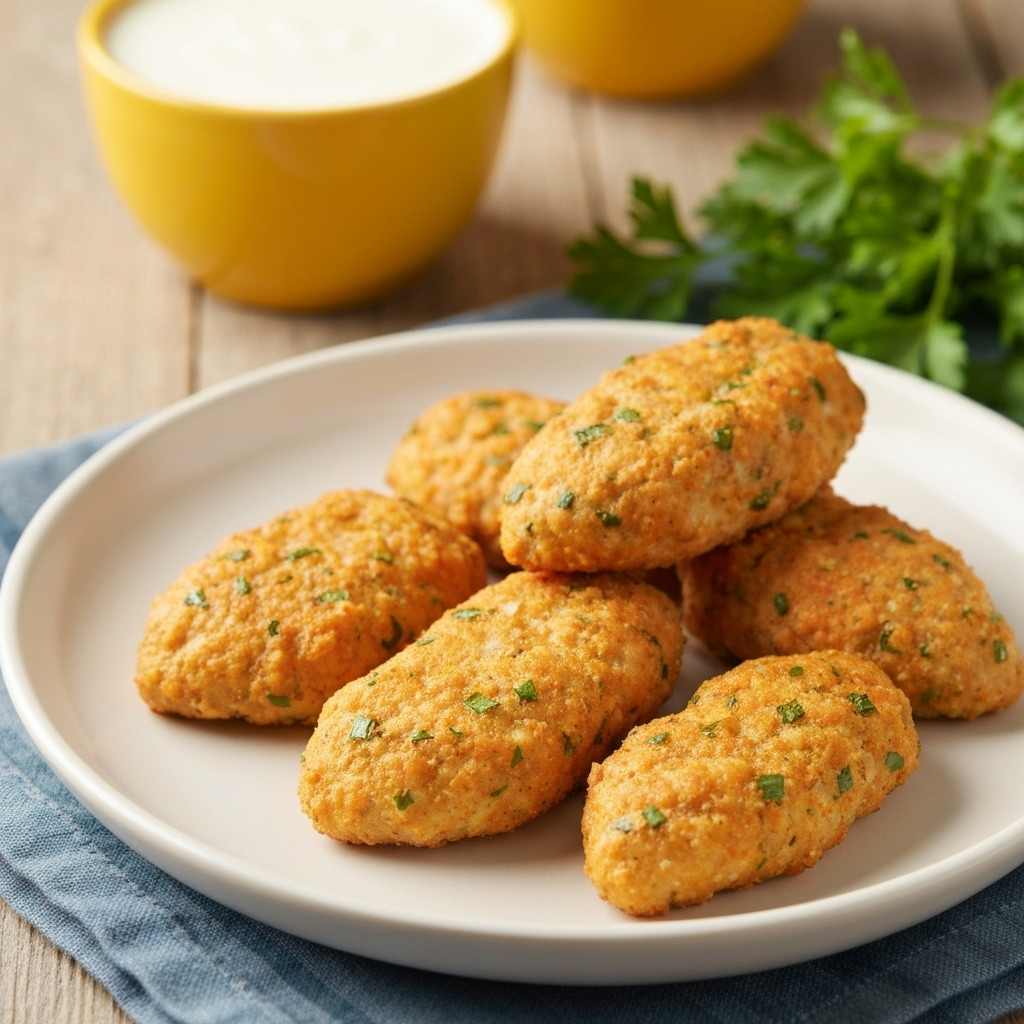
Toddler-Friendly Fish & Veggie Nuggets: Our Star Recipe
This recipe is designed with toddlers in mind – gentle flavors, a soft texture, and no hidden surprises (like bones!). It's also incredibly versatile and great for batch cooking.
Yields: Approximately 18-20 small nuggets
Prep time: 20 minutes
Cook time: 15-20 minutes
Ingredients List
Here’s what you’ll need to create these nutritious and delightful fish nuggets, along with notes on why each ingredient is perfect for your toddler.
- For the Fish Nuggets:
- 1 lb (about 450g) mild white fish fillets: Cod, Haddock, Tilapia, or Flounder are excellent choices. Look for fresh, boneless, and skinless fillets. These fish varieties are low in mercury and have a mild flavor and flaky texture, ideal for toddlers.
- 1 medium sweet potato: Peeled and cooked until very soft (steamed or boiled). Sweet potatoes add natural sweetness, beta-carotene, and a creamy texture, helping to bind the nuggets.
- ½ cup finely grated carrot: Another fantastic source of vitamins and natural sweetness, easily hidden in the nuggets.
- ¼ cup fresh breadcrumbs (or oat flour for gluten-free): Acts as a binder, helping the nuggets hold their shape. Can also use finely ground oats.
- 1 large egg: Lightly beaten. A crucial binder that also adds protein.
- 1 tablespoon fresh dill or parsley: Finely chopped. Adds a subtle, fresh flavor without being overpowering. Use dried if fresh isn't available (1 teaspoon dried).
- 1 teaspoon lemon juice: Freshly squeezed. Brightens the flavor and adds a touch of vitamin C. Don't worry, it won't taste overly "fishy."
- Pinch of black pepper (optional): Adds a tiny bit of warmth; omit for very young toddlers or sensitive palates.
- 1 tablespoon olive oil: For cooking/greasing. A healthy fat source.
- For Serving (Optional but Recommended):
- Plain Greek yogurt or a mild tomato dip (sugar-free)
- Steamed green beans or peas
- Small pasta or rice
Step-by-Step Instructions: Making Fish Nuggets Fun!
Follow these clear, easy steps to create a meal your toddler will love.
- Prepare the Sweet Potato: Peel and dice the sweet potato into small cubes. Steam or boil until very soft, about 10-15 minutes. Once cooked, drain thoroughly and mash well with a fork until smooth. Set aside to cool slightly.
- Prepare the Fish: Check your fish fillets carefully for any bones. Even boneless fillets can sometimes have stray pin bones. Gently run your fingers over the fish to feel for any. If found, remove them with tweezers. Once deboned, pat the fish dry with paper towels.
- Steam or Poach the Fish: In a shallow pan, bring about an inch of water to a gentle simmer. Add the fish fillets, cover, and steam for 5-7 minutes, or until the fish is opaque and flakes easily with a fork. Alternatively, you can bake the fish at 375°F (190°C) for 10-12 minutes. Let it cool slightly, then flake it apart into very small pieces using a fork. Ensure there are no large chunks.
- Combine Ingredients: In a large mixing bowl, combine the flaked fish, mashed sweet potato, grated carrot, breadcrumbs (or oat flour), beaten egg, chopped dill/parsley, lemon juice, and optional black pepper.
- Mix Thoroughly: Using your hands (which is often the most effective way for this kind of mixture) or a spoon, mix all the ingredients together until well combined. The mixture should be moist enough to hold its shape, but not overly sticky. If it's too wet, add a little more breadcrumbs or oat flour. If too dry, add a tiny splash of milk or water.
- Shape the Nuggets: Scoop about a tablespoon of the mixture and gently roll it into a small ball, then slightly flatten it into a nugget shape (about 1-inch thick). Repeat until all the mixture is used. Aim for shapes that are easy for your toddler to pick up.
- Preheat Oven & Prepare Baking Sheet: Preheat your oven to 375°F (190°C). Lightly grease a baking sheet with olive oil or line it with parchment paper.
- Bake the Nuggets: Arrange the fish nuggets on the prepared baking sheet, ensuring they are not touching. Bake for 15-20 minutes, flipping them halfway through, until they are golden brown and cooked through. The internal temperature should reach 145°F (63°C).
- Cool and Serve: Allow the nuggets to cool slightly before serving to your toddler. They should be warm, not hot. Always check the temperature before offering to your child.
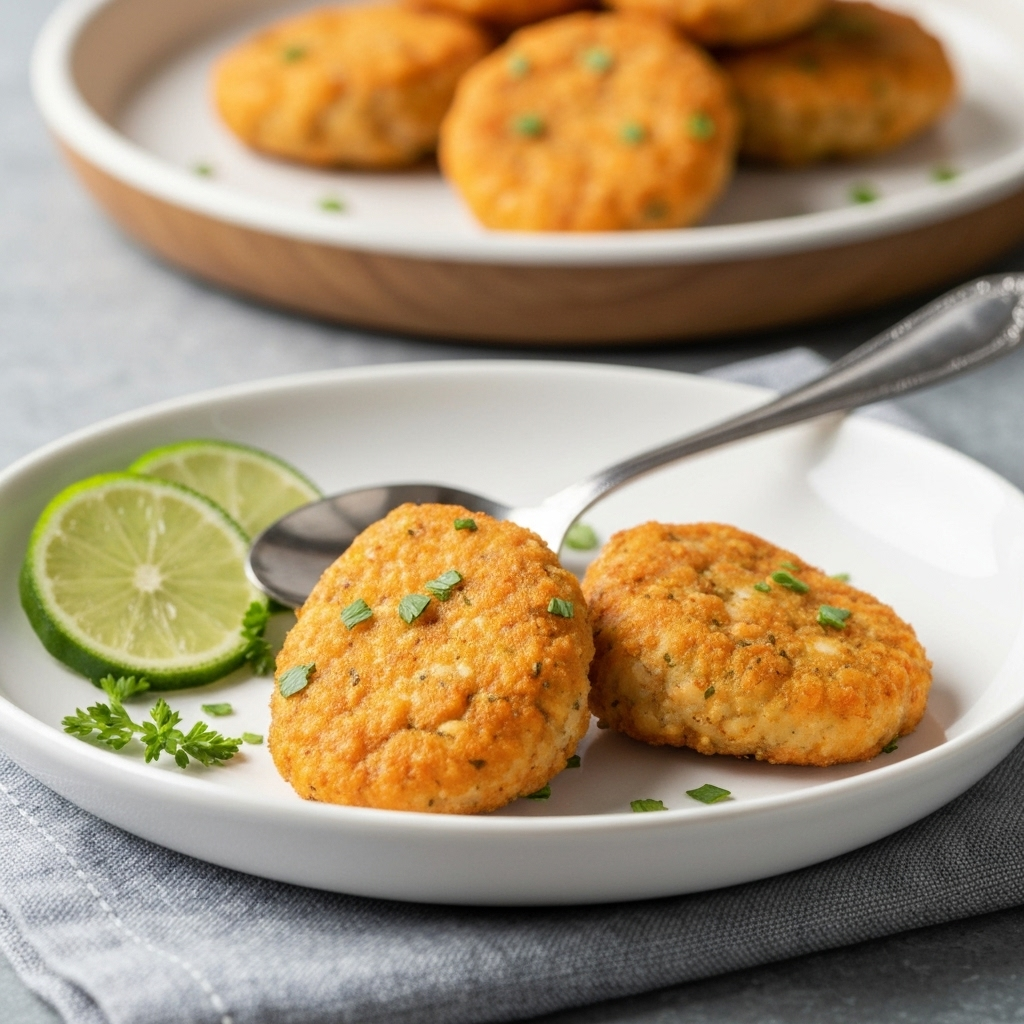
Cooking Tips & Variations for Toddler Fish Recipes
Making fish appealing to toddlers often requires a bit of creativity and strategic planning. Here are some invaluable tips and variations to ensure success.
Essential Cooking Tips
- Choosing the Right Fish:
- Low Mercury: Opt for low-mercury fish like cod, haddock, salmon, tilapia, flounder, or pollock.
- Mild Flavor: White fish (cod, haddock) is often preferred for its very mild taste. Salmon is also a fantastic choice, offering more omega-3s, but has a slightly stronger flavor.
- Boneless & Skinless: Always purchase boneless, skinless fillets to minimize prep time and eliminate choking hazards. Double-check for stray pin bones before cooking.
- Deboning is Key: Even "boneless" fillets can occasionally have small, sharp pin bones. Always run your fingers along the length of the fillet to detect any, and remove them with clean tweezers. This is crucial for toddler safety.
- Texture Matters: Toddlers prefer soft, easy-to-chew foods. Our nugget recipe ensures a soft interior. Avoid frying fish to a crispy exterior if your toddler is sensitive to crunchy textures. Baking, steaming, or poaching are best.
- Don't Overcook: Overcooked fish can become dry and tough, making it less appealing. Cook just until opaque and flaky.
- Batch Cooking & Freezing: These nuggets are perfect for meal prepping! Make a larger batch and freeze individual portions for quick meals on busy days.
- Introducing Gradually: If your toddler is new to fish, start with small portions. Don't force it; offer it alongside familiar favorites. It can take multiple exposures for a child to accept a new food.
Delicious Variations
- Different Fish: While cod/haddock are great, feel free to substitute with:
- Salmon: For a richer omega-3 boost. Simply steam or bake and flake as per the recipe.
- Tuna (canned, light): Ensure it's packed in water and very low in sodium. Flake well.
- Hidden Veggies Galore: Don't stop at sweet potato and carrot! You can finely grate or puree other mild vegetables into the mix:
- Spinach: Finely chopped and sautéed briefly to remove excess moisture.
- Zucchini: Grated and squeezed of excess water.
- Butternut squash: Cooked and mashed.
- Peas: Lightly mashed.
- Herb & Spice Swaps:
- Herbs: Try finely chopped chives, basil, or a tiny pinch of dried oregano.
- Spices: A tiny pinch of paprika (not spicy) can add a nice color and a very mild flavor.
- Binding Alternatives:
- Gluten-Free: Use oat flour or ground gluten-free oats instead of breadcrumbs.
- Egg-Free: For egg allergies, try a "flax egg" (1 tbsp ground flaxseed mixed with 3 tbsp water, let sit for 5 minutes) or a commercial egg replacer, though the texture might vary slightly.
- Crumb Coating (Optional, for older toddlers): For toddlers who enjoy a bit of crunch, you can lightly coat the shaped nuggets in extra breadcrumbs or panko before baking. This makes them even crispier.
- Shape Fun: Use small cookie cutters (stars, hearts) to make fun shapes from flattened nugget mixture before baking. This can make mealtime more engaging.
Nutritional Information: Why Fish is a Powerhouse for Toddlers
Fish isn't just tasty; it's a nutritional goldmine specifically beneficial for your toddler's rapid growth and development.
- Omega-3 Fatty Acids (DHA & EPA): These are the superstars! Omega-3s, particularly DHA, are crucial for brain development, cognitive function, and eye health. Toddlers' brains are developing at an incredible pace, making these healthy fats absolutely essential.
- High-Quality Protein: Fish provides lean, easily digestible protein, vital for building and repairing tissues, muscle growth, and overall healthy development.
- Vitamin D: Many fish, especially salmon, are excellent natural sources of Vitamin D, which is essential for bone health and immune system function.
- Iodine: Important for thyroid function and healthy metabolism.
- B Vitamins: Fish contains B vitamins (B6, B12, niacin) that are important for energy production and nervous system health.
- Iron: Some fish, like salmon and sardines, offer a good source of iron, crucial for preventing anemia and supporting oxygen transport in the body.
- Sweet Potato & Carrot: Our recipe boosts nutrition further with sweet potatoes (rich in Vitamin A, C, and fiber) and carrots (Vitamin A, antioxidants).
While specific calorie counts for homemade recipes vary, a serving of these "Toddler-Friendly Fish & Veggie Nuggets" offers a balanced intake of protein, healthy fats, vitamins, and minerals, making it a highly nutritious choice for your little one.
Storage & Serving Suggestions
Ensuring meal prep is easy and leftovers are safe is key for busy parents.
Storage
- Refrigerator: Cooked fish nuggets can be stored in an airtight container in the refrigerator for up to 2-3 days.
- Freezer: These nuggets freeze beautifully!
- Allow them to cool completely after baking.
- Place them in a single layer on a baking sheet and freeze for about an hour until firm (this prevents them from sticking together).
- Transfer the frozen nuggets to a freezer-safe bag or airtight container. They can be stored for up to 2-3 months.
Reheating
- From Refrigerator: Reheat in a preheated oven at 350°F (175°C) for 8-10 minutes, or gently warm in a microwave until heated through.
- From Freezer: You can reheat frozen nuggets directly in a preheated oven at 375°F (190°C) for 15-20 minutes, or until heated through and slightly crispy. Alternatively, thaw them in the refrigerator overnight and then reheat as above. Always ensure food is piping hot throughout before allowing it to cool and serving to your toddler.
Serving Suggestions
Pairing these nuggets with other healthy sides can create a complete and appealing meal.
- Dipping Fun: Toddlers love to dip! Offer a side of plain Greek yogurt (for a creamy dip), a mild sugar-free tomato sauce, or even a small dollop of mashed avocado.
- Veggie Boost: Serve alongside steamed broccoli florets, green beans, peas, or sweet corn. Cut all vegetables into age-appropriate, bite-sized pieces.
- Carb Companions: A small serving of whole-wheat pasta shapes, brown rice, couscous, or even a side of mashed sweet potato complements the nuggets well.
- Finger Food Feast: These nuggets are perfect for self-feeding. Cut them into smaller pieces for younger toddlers (around 6-9 months, once they are showing readiness for solids) or serve whole for older toddlers who have developed their pincer grasp.
FAQ Section: Your Questions About Fish Recipes for Toddlers Answered
Here, we address common concerns parents have about introducing fish to their little ones.
Is fish safe for toddlers?
Yes, absolutely! Fish is generally safe and highly recommended for toddlers once they start solid foods (typically around 6 months, or when showing readiness). However, it's crucial to follow safety guidelines:
- Always check for bones: This is the most critical step to prevent choking.
- Cook thoroughly: Ensure fish is cooked all the way through to an internal temperature of 145°F (63°C).
- Cut into age-appropriate pieces: Flake or cut into small, manageable pieces to reduce choking hazards.
- Introduce one new food at a time: If your toddler has not had fish before, introduce it as a single new food and watch for any signs of allergic reaction.
Which types of fish are best for toddlers?
The best choices are low-mercury fish with a mild flavor and soft texture. Excellent options include:
- Cod
- Haddock
- Salmon
- Tilapia
- Flounder
- Pollock
- Sardines (canned in water, no added salt, mashed well)
These varieties provide great nutrition with minimal risk.
How much fish should toddlers eat?
The American Academy of Pediatrics recommends that young children (ages 1-3) can have two small servings of low-mercury fish per week. A serving size for a toddler is typically about 1-2 ounces (30-60 grams), which is roughly the size of the palm of their hand.
How do I introduce fish to a picky eater?
Picky eaters can be a challenge, but here are some strategies:
- Start mild: Begin with very mild white fish like cod or haddock.
- Hide it: Our fish nugget recipe is perfect for this, as the sweet potato and carrot help mask the fish flavor and provide a familiar texture.
- Mix with favorites: Combine flaked fish with mashed potatoes, rice, or pasta.
- Dipping sauces: Offer a favorite dip to make it more appealing.
- Be persistent, not forceful: It can take multiple exposures (sometimes 10-15 times!) for a child to accept a new food. Keep offering small amounts without pressure.
- Lead by example: Let your toddler see you enjoying fish!
Can I freeze these fish bites?
Yes, absolutely! Our Toddler-Friendly Fish & Veggie Nuggets are ideal for batch cooking and freezing. See the "Storage & Serving Suggestions" section above for detailed freezing and reheating instructions. This makes healthy toddler meals incredibly convenient.
What about fish allergies?
Fish is a common allergen. If there's a family history of fish allergies or if you're concerned, consult your pediatrician before introducing fish. When introducing fish for the first time, watch for symptoms like hives, swelling, vomiting, or difficulty breathing.
Can I use canned fish?
Yes, you can use canned fish, but choose wisely.
- Canned Salmon: Look for wild-caught, boneless, and skinless varieties packed in water, with no added salt if possible. It’s an excellent source of omega-3s. Mash very well and check for any tiny bones.
- Canned Light Tuna: Opt for light tuna packed in water and very low in sodium. Limit tuna intake due to slightly higher mercury levels than salmon, but it can be used occasionally. Avoid albacore tuna for toddlers due to its higher mercury content.
Conclusion: Making Fish a Family Favorite
Bringing fish into your toddler's diet doesn't have to be daunting. With the right approach, safe preparation, and delicious recipes like our "Toddler-Friendly Fish & Veggie Nuggets," you can confidently introduce this nutritional powerhouse. You're not just feeding them; you're nurturing their brain development, bone health, and overall well-being.
Remember, patience is key when introducing new foods. Celebrate small victories, enjoy the process, and soon enough, fish might just become one of your little one's most anticipated meals. So go ahead, give these fish recipes for toddlers a try, and watch your child thrive with every healthy, tasty bite!
We'd love to hear from you! What are your toddler's favorite fish creations? Share your tips and triumphs in the comments below!